STAGE ONE: OPENING UP & GENERATING NEW WORK
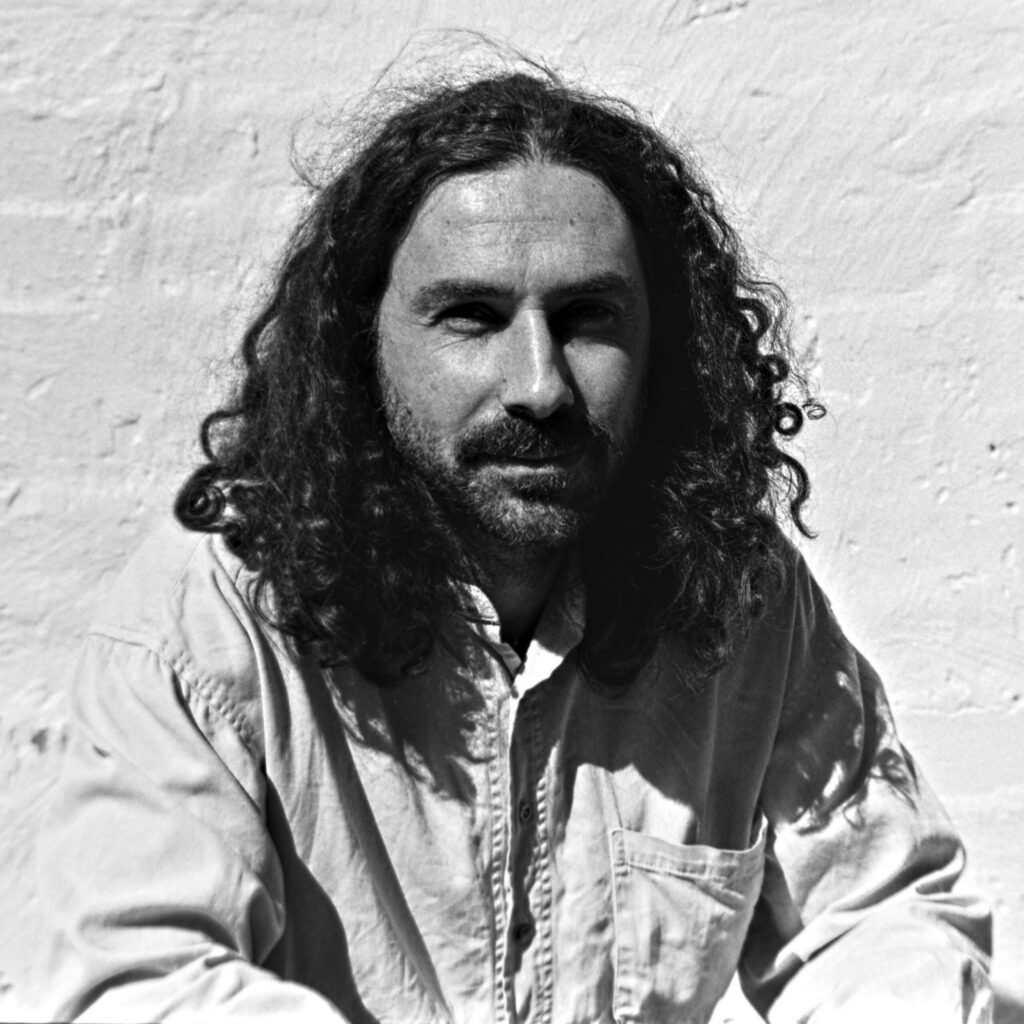
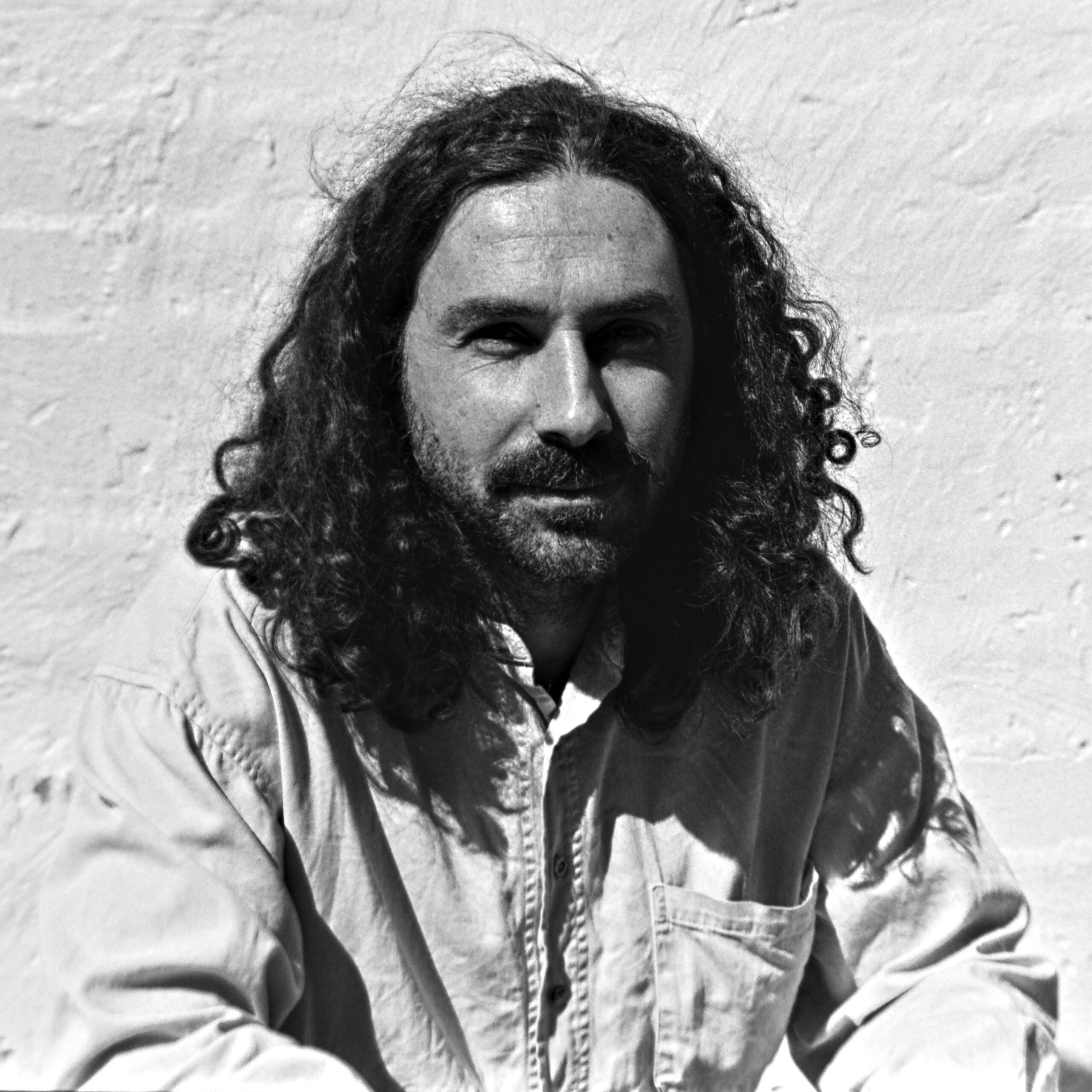
with Ender Başkan
Session 1: Thursday, 11 February
OPENING TO POETRY
We begin our work around the abundant sites where language opens itself up to us – those places that make the passage from ordinary speech to poetry possible. We also observe that in delicate balance with this opening of language is an opening up of ourselves. In this session, we will discuss these parallel processes of opening and explore how to uphold receptivity at the heart of poetic practice.
Session 2: Thursday, 18 February
GROUNDING
What does it mean to be grounded? In this session, learn the ways that receptivity – the ability to receive ideas, patterns, intuitions – depends upon a grounding of our poetic practice. This session brings us closer to the physical elements of language, attending to those sensory and concrete details that form the art of grounding.
Session 3: Thursday, 25 February
CHANCE
Over-cooking your poem? Securing its destination before you leave the gate? In this session, we invite you to surrender your poetry to chance. What is possible when you bypass the ego, roll the dice and surprise both yourself and your reader? This session will introduce you to some methods to tap into the unpredictable, subconscious, collective workings of the poem.
Session 4: Thursday, 4 March
AUTOMATIC WRITING
In this session, we elaborate on the previous week by examining the proposition of automatic writing. With roots in Surrealism, automatic writing has a long legacy for liberating art from the constraints of reason and logic. Bringing examples and methods into our contemporary setting, we invite you to get into the flow and let those startling associations come to the surface.
Session 5: Thursday, 11 March
WRITING FAST / WRITING SLOW
Discover how to work across the modalities of writing fast and writing slow to generate distinct, energetic poetry. In the first half of this session, we explore how writing fast reveals the internal rhythms of our poem and the cumulative pleasures of speed. In the second half of this session, we examine writing slow as an artistic counterweight and site of linguistic intimacy.
Session 6: Thursday, 18 March
DETAIL
Enter the paradoxical world of detail, where tiny oddities and other small things can form the surest path to cosmos. We’ll learn how this unassuming method functions as one of poetry’s major foundations: specific observations can often speak of larger and more fundamental emotional truths. In this session, participants will workshop their own writing in an intimate, collaborative environment.
BREAK – one-on-one consultations with Ender Başkan.
Students submit up to 50 lines of poetry for review.
STAGE TWO: LOVE, AND FINDING NEW WAYS
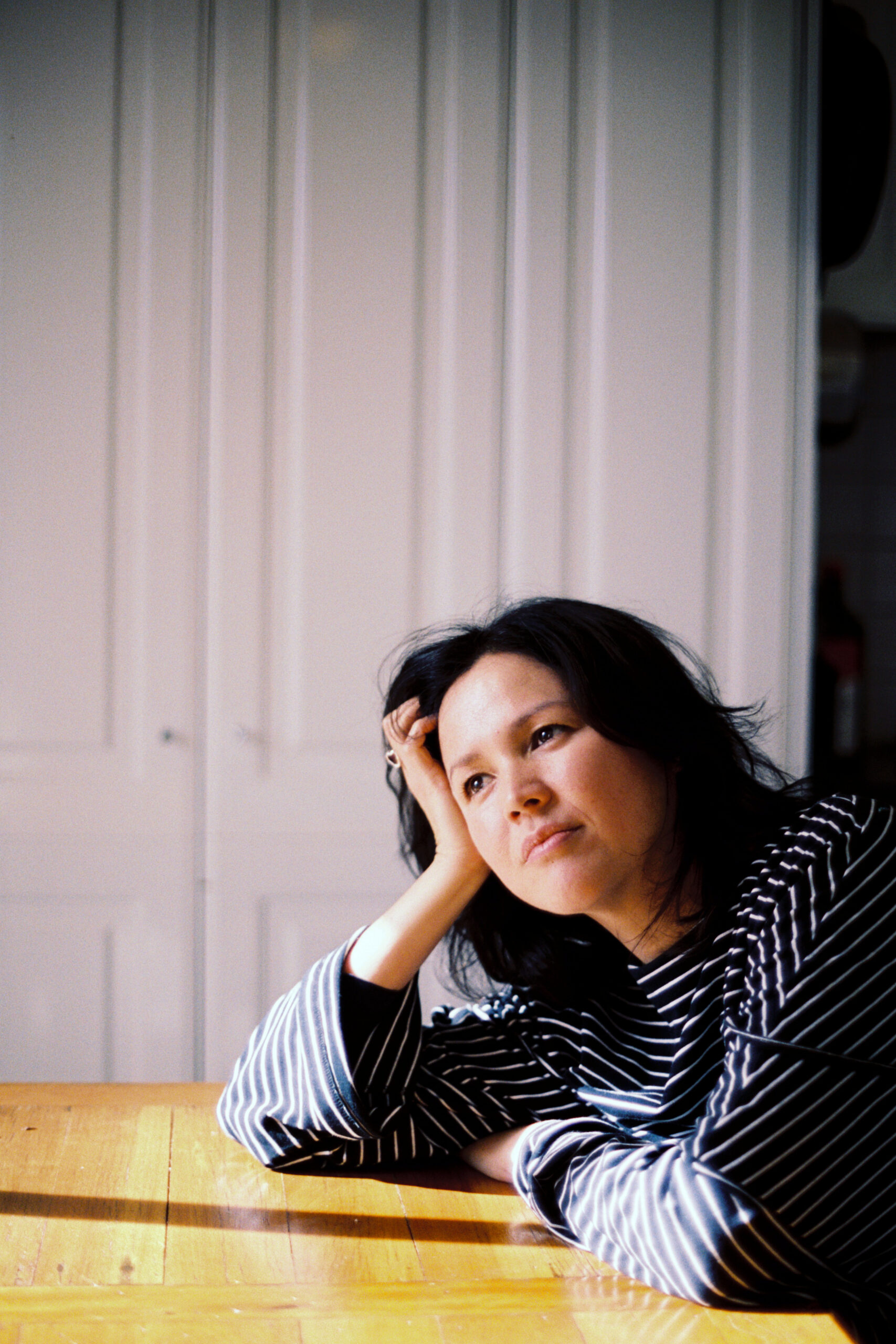
with Lucy Van
Session 7: Thursday, 22 April
KEEPING THE LOVE ALIVE
We begin again by recalling the role of love in poetry and consider this millennia-old precedent: that which moves us moves us to compose verse. This session orients us to some of the desiring traditions we love in poetry, invites us to think about how our own work keeps speaking with poets who have come before, and invites us, too, to see our work as fostering art that is bigger than ourselves.
Session 8: Thursday, 29 April
TIME
Poetry is often made in response to intense events in time (such as the anticipation or loss of love). But even more than this, poetic language itself embodies an intense moment in time. Together, we will examine and create some ways that poetry can use and manipulate time, and think about how we (and our readers) might experience the singular, hyperbolic and flagrant poetic ‘now.’
Session 9: Thursday, 6 May
OBSTACLES
We learn from love poetry (and from love itself!) that obstacles never really block desire’s expression and often form desire’s very condition. In this session, we will examine some key examples that show how obstacles (doors, walls, porters, telephones) can stimulate the creation of verse. We will also discuss our more prosaic and pragmatic obstacles to writing, and begin to move these into more proliferative propositions for writing.
Session 10: Thursday, 13 May
ENDING
Your poem must end! But to ‘end’ a poem seems to resist its very being; hence, perhaps, this is why many have noted the ‘abject’ falling away of poetry at the end of the poem. In this session, we explore what ‘the end’ of a poem represents, and we also learn from some great, resonant examples a few measures that may be taken to forestall the ending, even as the final line is laid.
Session 11: Thursday, 20 May
REFINING AND EDITING
Learn some strategies to sensitively edit your poem. We’ll discuss how to protect your poetic voice, rhythm, and intuition while honing the clarity of your poem, ensuring that it beckons the reader once it’s set on the page.
COURSE BREAK Second one-on-one consultations, with Lucy Van.
Session 12: Thursday, 27 May
PATHWAYS TO PUBLICATION
This session discusses how we open ourselves to the collaborative process of being edited for publication. We will also discuss in detail where and how to submit poetry, with Lucy wearing her hat as HEAT poetry editor.
All sessions are held online on Zoom. The exact course content could be adjusted according to the experience and concerns of the group. The detail of the course is at the discretion of the Course Director and Faber Writing Academy at Allen & Unwin.